


Reconstruct Challenge: Thriving Youth
Reimagining the Transition from Foster Care to Adulthood
Every year, over 800 young people in Tennessee “age out” of foster care, often without the supportive relationships, stable housing, or mental health resources they need to thrive. Within three years, 70–80% experience homelessness, addiction, incarceration, or trafficking.
The Reconstruct Challenge: Thriving Youth, powered by Belmont Innovation Labs in partnership with Every Child TN, applies a venture philanthropy model to identify, fund, and support bold innovations that help youth successfully transition into adulthood.
Our mission is simple,
but urgent…
To find and invest in scalable, enduring, and community-driven solutions that ensure every young person leaving foster care has a safe place to live, supportive relationships to rely on, and access to the mental health care they deserve.
If you have a solution that addresses one (or more) of these three critical challenge areas, APPLY TODAY!
Challenge Focus Areas
-
Consistent and Supportive Adult Relationships
Strategic Purpose:
To ensure every young person transitioning out of foster care in Tennessee has access to at least one consistent, caring adult relationship that continues into adulthood and anchors them through life transitions and crises.
The Problem:
Over 70–80% of Tennessee foster youth who age out without stable adult support experience homelessness, incarceration, addiction, or trafficking within three years (Belmont Innovation Labs, 2024 Landscape Study). Conversations with former foster youth and caseworker assessment data confirms that the absence of trusted, stable adults is one of the most predictive risk factors for poor outcomes.
The Opportunity:
How might we ensure that every foster youth transitioning to adulthood has access to at least one reliable, enduring, and supportive adult relationship?
-
Safe, Stable, and Affordable Housing
Strategic Purpose:
To expand access to safe, stable, and affordable housing options for youth transitioning out of foster care which is one of the strongest predictors of long-term well-being and post-care stability.
The Problem:
37% of Tennessee foster youth report unstable housing by age 21, while 41% are parents and 45% are unemployed (Landscape Study, 2024). Many exit the system without savings, co-signers, or rental histories facing barriers that make stable housing difficult to secure and sustain. While transitional programs like supervised independent living offer critical support, capacity remains limited, and access varies by region.
The Opportunity:
How might we unlock more housing opportunities within existing developments or through new access models that are safe, affordable, relationally anchored, and proven to improve youth well-being?
-
Accessible Mental Health Care
Strategic Purpose:
To expand trauma-informed, youth-centered, and culturally responsive mental health supports for foster youth during and after transition which strengthens access, continuity, and fit within and alongside existing coverage providers.
The Challenge:
Trauma is nearly universal among foster youth, yet access to care remains fragmented. Eligibility transitions at ages 18 and 21, thin provider networks (especially in rural areas) and administrative churn interrupt continuity. Youth also report mismatches in culture, approach, and relational consistency that discourage engagement.
The Opportunity:
How might we, in partnership with coverage providers and community organizations, reimagine access so that mental health care stays affordable, continuous, and relevant which expands usable provider networks (including telehealth and mobile options), and improving youth engagement and outcomes?
Application Questions?
Check out the recording of our live applicant info session!
Key Dates
Applications Open
December 3, 2025
The open call for innovators begins. Eligible teams, nonprofits, and social enterprises may submit proposals addressing one or more of the Challenge’s three focus areas.
Applicant Info Session
December 18, 2025 at 3:00pm EST
Our team hosted a virtual walkthrough of the application process, including step-by-step guidance and live Q&A to help applicants prepare and submit a strong application. If you weren’t able to attend, you can watch the full recording of the info session here.
Priority Deadline
December 22, 2025
Submit your application by this date to receive a round of feedback and the ability to re-submit.
Priority Deadline Feedback
January 8, 2025
Innovators who submit by December 22nd, will receive feedback on their applications by this date and be allowed to re-submit as long as revisions are in by the close of applications on January 30th.
Second Info Session
January 20, 2026 at 3:00pm EST
Join our team virtually for live Q&A about the application process. RSVP here.
Applications Close
January 30, 2026
The submission portal closes at 11:59 PM EST. All applications must be completed and submitted before this deadline to be considered.
Winners Announced
February 25-27 2026
Selected innovators will be announced and invited to join the Reconstruct Thriving Youth cohort and receive 100k to begin implementation and capacity-building support.
Implementation Begins
March 2026
Selected innovators should be prepared to hit the ground running with implementation of their innovations in Nashville or Chattanooga.
FAQs
-
The Reconstruct Challenge: Thriving Youth is a statewide initiative led by Belmont Innovation Labs in partnership with Every Child TN to identify, fund, and support innovative solutions that help young people successfully transition out of foster care into adulthood. The Challenge uses a venture philanthropy approach—providing catalytic funding and wraparound support to help promising ideas grow and scale.
-
The 2025 Challenge focuses on three critical areas shown to have the greatest impact on long-term success for youth aging out of care:
Consistent and Supportive Adult Relationships
Safe, Stable, and Affordable Housing
Accessible Mental Health Care
-
In Tennessee, 70–80% of young people leaving foster care experience homelessness, incarceration, addiction, or trafficking within three years. These outcomes are preventable—but they require bold innovation, strong partnerships, and a willingness to test new models that bridge systemic gaps in relationships, housing, and mental health.
-
Venture philanthropy applies the principles of venture capital—such as risk-tolerant funding, performance measurement, and long-term partnership—to social impact. It enables philanthropists and funders to invest in early-stage innovations and help them build the evidence, traction, and sustainability needed for long-term impact.
-
We welcome applications from nonprofits, social enterprises, researchers, innovators, or cross-sector collaborations with ideas that align with one or more of the Challenge’s three focus areas. Applicants should demonstrate a clear plan for implementation in Tennessee and a commitment to measurable impact.
-
No. Applicants may be based anywhere in the U.S., but solutions must be implemented in Nashville, or Chattanooga, Tennessee and adapted to the needs of youth aging out of foster care here.
-
Applications Open - December 3, 2025
The open call for innovators begins. Eligible teams, nonprofits, and social enterprises may submit proposals addressing one or more of the Challenge’s three focus areas.
Applicant Info Session - December 18, 2025 at 3:00pm EST
Join us virtually as our team walks through the application process step-by-step, with dedicated time for live Q&A so you can get practical guidance on preparing and submitting a strong application. Can’t make the session? No worries—we’ll upload a recording to this website afterwards. RSVP here.
Priority Deadline - December 22, 2025
Submit your application by this date to receive a round of feedback and the ability to re-submit.
Priority Deadline Feedback - January 8, 2025
Innovators who submit by December 22nd, will receive feedback on their applications by this date and be allowed to re-submit as long as revisions are in by the close of applications on January 30th.
Applications Close - January 30, 2026
The submission portal closes at 11:59 PM EST. All applications must be completed and submitted before this deadline to be considered.
Winners Announced - February 25-27 2026
Selected innovators will be announced and invited to join the Reconstruct Thriving Youth cohort and receive 100k to begin implementation and capacity-building support.
-
Selected innovators will receive 100k in grant funding, technical assistance, and capacity-building support.
-
Each Reconstruct Challenge runs in two phases over approximately 18–24 months.
Phase I: Pilot implementation and impact measurement.
Phase II: Follow-on funding for high-performing solutions ready to scale. -
Absolutely. We are actively inviting philanthropic partners, foundations, and corporate leaders to join the Fund that powers the Challenge.
Donate to the fund here.
-
Each funded project co-develops measurable Key Performance Indicators (KPIs) with our team—aligned to real-world outcomes such as housing stability, employment, income growth, adult connection, and mental health engagement. Progress is tracked through shared dashboards, check-ins, and community impact reporting.
-
The Reconstruct model, pioneered by Access Ventures, has already proven successful in addressing systemic challenges in housing, employment, and health equity across multiple cities. The Reconstruct Challenge: Thriving Youth applies these same tools to one of Tennessee’s most pressing issues: helping foster youth thrive after care.
-
The most successful solutions from Phase II will be supported in scaling across Tennessee and, ultimately, nationally—creating a replicable model for improving outcomes for foster youth everywhere.
-
Each application will be evaluated across five key criteria to ensure that resources are directed toward the highest-impact, most feasible, and most enduring solutions.
1. Need and Alignment
Clearly addresses a critical gap in services or outcomes for youth transitioning from foster care.
Aligns with the Challenge’s mission, trauma-informed care principles, and youth voice.
2. Impact and Evidence
Demonstrates meaningful, measurable improvements in youth outcomes.
Supported by evidence, strong logic models, or practice-based results.
3. Feasibility and Compliance
Practical and achievable within the available time, resources, and capacity.
Meets all legal, regulatory, and contractual requirements.
4. Scalability and Innovation
Offers potential for efficient expansion or replication across regions or systems.
Introduces or applies new ideas, methods, or technologies that improve on the status quo.
5. Experience and Stability
Brings proven, relevant experience in delivering youth-centered or trauma-informed services.
Demonstrates organizational reliability and learning capacity over time.
Why this matters:
This approach builds trust and transparency in the selection process—ensuring that investment decisions are made with evidence, youth input, and alignment to state and community priorities.
The Reconstruct Challenge is seeking to find and fund breakthrough solutions that address the most critical gaps facing at-risk young adults in Tennessee. We are investing in scalable innovations that can change the trajectory for vulnerable teens.
Meet the Judges
-
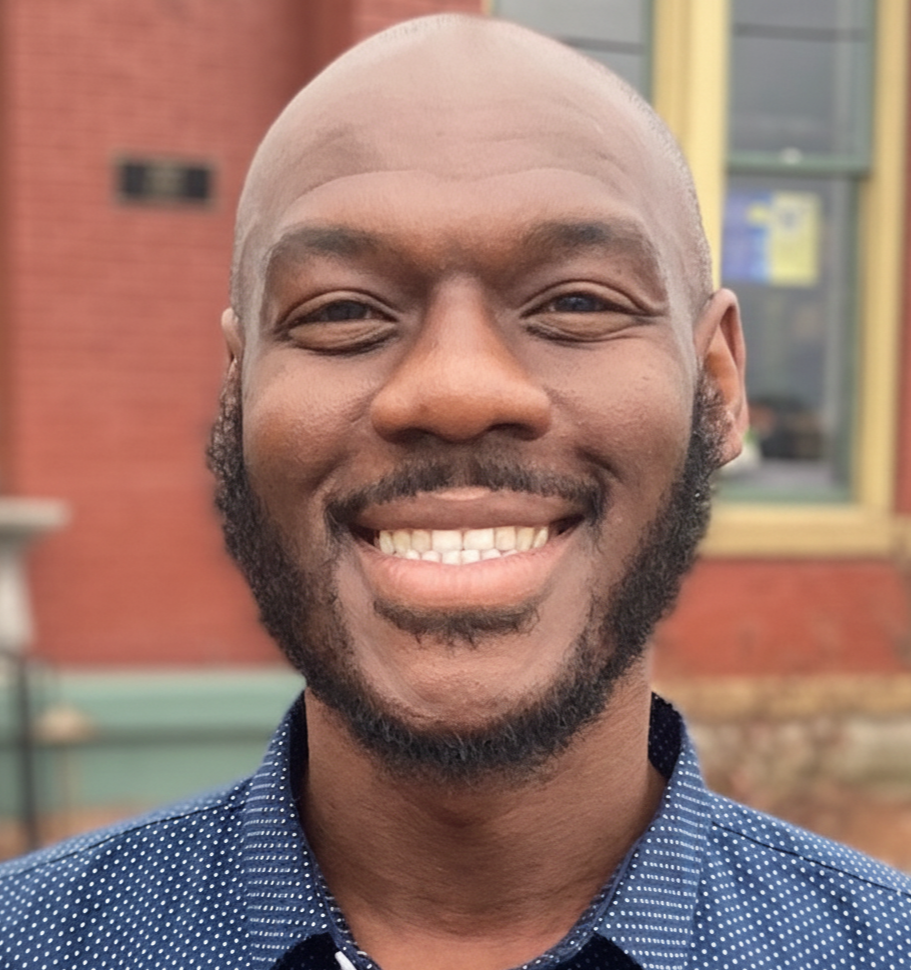
Eric Davis
Eric Davis leads I Am Next with a conviction that lived experience drives real change. Having navigated the foster care system himself, Eric understands the challenges young adults face when transitioning to independence. As Executive Director, he focuses on providing housing, relationships, and wraparound support that help young people define success on their own terms. His leadership is rooted in compassion, accountability, and a deep commitment to community transformation.
-
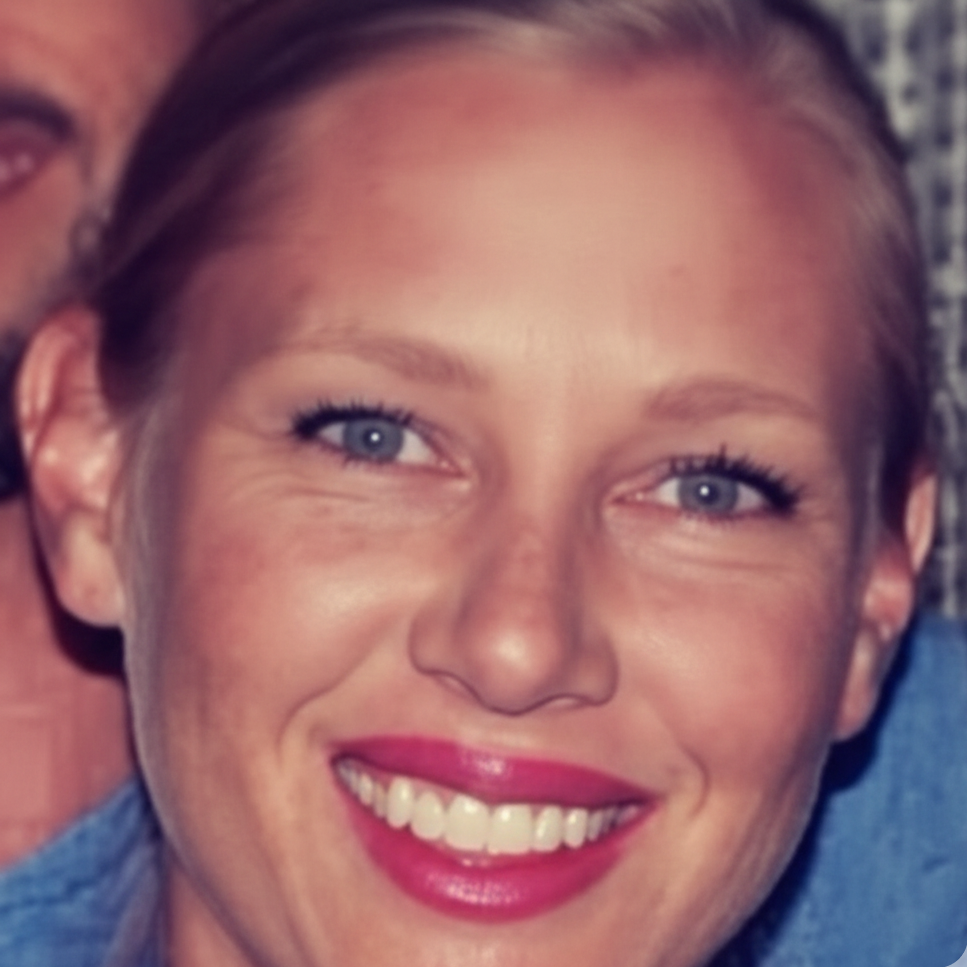
Brooke Roush
Brooke Roush partners with organizations tackling child abuse and foster care reform through strategic funding and collaboration. With a background in marketing at the National Christian Foundation, Brooke has spent two decades leading initiatives that connect purpose and philanthropy. She helped establish the Southeast Asia office for Know Your Strengths and currently serves on the Courage First Athlete Helpline Advisory Committee. Brooke also holds leadership roles with the Stanford Football Parents Association, including as President Emeritus.
-

Courtney Matthews
Courtney Matthews serves as the Program Director of Independent Living & Extension of Foster Care Services for Tennessee’s Department of Children’s Services. Under her leadership, Tennessee expanded eligibility for Extended Foster Care to more young adults, including those adopted or exiting through guardianship after age 16. A 2017 Cornerstone Leadership Academy graduate and recipient of the Commissioner’s Everyday Hero Award, Courtney is committed to empowering youth toward independence. She holds a Master’s in Social Work from Middle Tennessee State University.
-

Kathleen Clancy
Kathleen Clancy is a nonprofit leader with over 20 years of experience advancing programs that empower children and families to thrive. Most recently Development Director for Nurses for Newborns of Tennessee, she has led initiatives in strategic planning, community engagement, and performance measurement for vulnerable populations, including youth in or transitioning from foster care. Passionate about sustainable, community-centered solutions, Kathleen works to ensure every child in Tennessee has the opportunity to flourish. She lives in East Nashville with her husband, Nathan, and their two daughters.
-

Lance Villio
Lance Villio serves as Executive Director of the Governor’s Faith-Based and Community Initiatives in Tennessee, fostering collaboration across sectors to drive community impact. Previously, he founded Think Native and led national organizations including I Am Second and Q Ideas. Lance’s career reflects a passion for social innovation, faith-driven leadership, and building partnerships that strengthen communities. His work continues to connect public, private, and nonprofit efforts to improve lives across Tennessee.
-

Wayne Powers
Wayne Powers is Principal of Powers Consulting LLC, bringing nearly three decades of leadership in media, marketing, and global operations. Formerly President and CEO of Catalina and President of Valassis, Wayne has also held executive roles at Yahoo!, Parade Media Group, and Time Inc. His work centers on innovation and strategic growth, driving transformation in dynamic digital markets. A graduate of The Ohio State University, Wayne continues to advise companies on achieving scalable and sustainable impact.
-

Robin Small
Robin Small is an advocate for at-risk children and their families. She invests both financially and strategically in organizations focused on child services, foster care reform, literacy programs, and family stability—initiatives designed to create lasting change. With a background in marketing, Robin founded and led her own firm before stepping away to raise four children and devote time to volunteer leadership. She currently serves as the Executive Director of the Small Family Fund and proudly volunteers as a Williamson County Court Appointed Special Advocate. Robin also sits on the Belmont University President’s Council, and the Brentwood Academy Young Life Committee, where she serves as Co-Chair.
-

Abby Chapman
Abby Chapman is a Nashville native dedicated to faith-driven service and the wellbeing of vulnerable children and families. With experience in faith-based nonprofit development and the Department of Children’s Services in Davidson County, she brings both professional expertise and firsthand insight into child protection, family preservation, and systemic reform. An adoptive sister and a Trust-Based Relational Intervention® (TBRI®) practitioner, Abby’s advocacy is shaped by lived experience and trauma-informed practice, from serving children in China to supporting families in Tennessee’s child welfare system. Abby is committed to ensuring every child is seen, known, and loved.
-

Ella Brinen
As a former foster youth, Ella has turned her story into a mission — advocating for foster children and youth across Tennessee. She serves on the transition leadership council of Every Child TN and authored and advocated for the Foster Child Bill of Rights, which was signed into law in July 2025. Now a freshman at Belmont University, double-majoring in Spanish and Public Policy, Ella continues her advocacy both on campus and statewide. Ella is committed to making sure every child in Tennessee has the chance to thrive.
Media
〰️
Media 〰️
Supported by


Welcome to Fracture to Flourish, a podcast from Access Ventures illuminating untold stories of resilience.
Season One, "Aging Out," reveals the raw reality of the 20,000 young adults who exit foster care yearly without support networks.
Through authentic conversations with both those who've experienced the system firsthand and the advocates fighting for change, we uncover the human stories behind the statistics—journeys of struggle and strength that transform fracture into flourishing.
Join us as we reimagine what meaningful support truly looks like for youth transitioning to independence.
Season Two, “Aging Out - The Hidden Pipeline” explores how the foster care system feeds into trafficking – and what must change. When 60-70% of individuals affected by trafficking had a touchpoint with the foster care system in the US, something must be done.